All Categories
Featured
Table of Contents
When asked what they will do differently in 2026 to reinforce resilience to geopolitical interruption, cyber dangers and monetary crime, leaders overwhelmingly prioritised technology-led defences, with individuals investment lower down the list of priorities. 43% plan to invest more in technology41% in AI36% in cyber resilience35% in data management and security24% plan to invest more in peopleThis technologyfirst method is mirrored in scams and monetary crime techniques:68% prioritise fraud prevention technology20% are purchasing employee scams awareness and education9% in human fraud expertiseTogether, the findings recommend securing techniques are progressively developed around systems, automation and analytics, with people investment concentrated on oversight rather than functioning as the main line of defence.: "Lots of financial services companies currently have large, technical and extremely skilled danger teams however technology is becoming the very first line of defence for numerous whether against cyber threat, scams or geopolitical disruption.
As 2026 comes into view, UK company owners are facing a really different landscape to the one they knew even 3 or 4 years back. Global development is slowing, trade routes are fragmenting, and AI is reshaping how work gets done in every market.
On home soil, the outlook is among sluggish, uneven development. Projections suggest modest UK GDP growth over 2025 and into 2026, however with profitability under pressure as wage growth and managed costs outpace performance improvements. Inflation is expected to stay above the Bank of England's 2% target for longer than formerly hoped, even as headline rates wander below the spikes of current years.
Debt will feel much heavier, refinancing will be more exacting, and loan providers will expect a far clearer story about money generation, threat and headroom. International development is projected to be steady but suppressed in 20252026, with innovative economies growing gradually while parts of Asia, Latin America and Africa expand more rapidly.
How to Leverage Digital Transformation in 2026
In practical terms, that suggests UK SMEs with global suppliers or customers can expect more volatility: in preparations, in shipping expenses, and in the behaviour of overseas buyers who are handling their own restrictions. at this level, the FD's job is to equate vague talk of "macro headwinds" into specific stress tests and choices.
Adapting Governance for the Speed of Digital CommerceDesign numerous profits situations, modest development, flat trading, and a short decline, and reveal the implications for money and headroom. Highlight which cost lines are structurally "sticky" versus those where there is room to manoeuvre. Construct the narrative lending institutions and investors now anticipate: not just historical numbers, but a credible prepare for resilience.
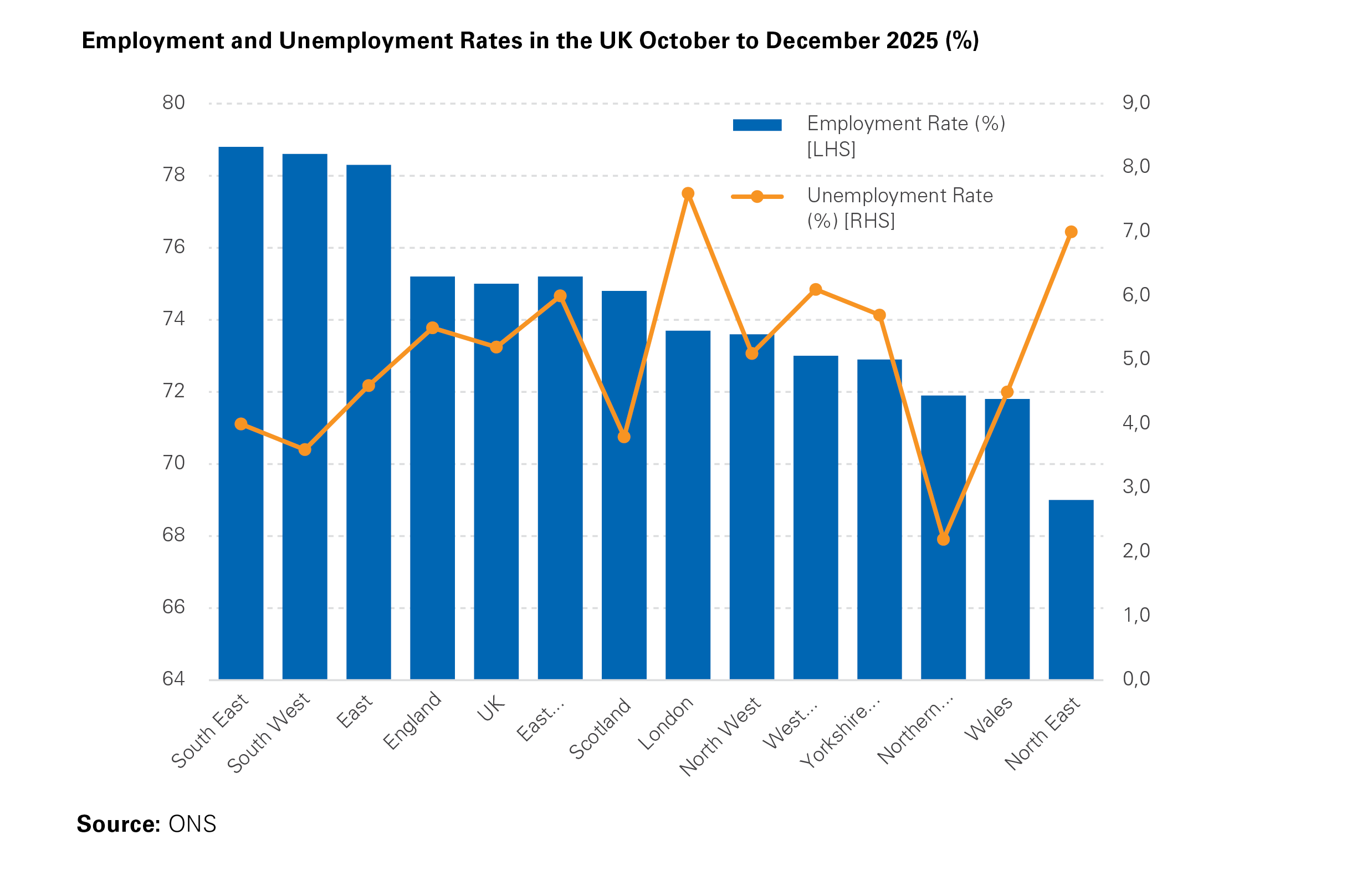
The outsourced Finance Director takes a noisy financial backdrop and turns it into a useful playbook for your company. Economic commentary can feel abstract till it lands in your numbers. For the majority of little and mid-sized organizations, the outlook for 2026 translates into a familiar however uncomfortable mix of pressures: compressing margins, specifically in labour, and energy-intensive sectors.
Layer in global characteristics and the image gets more complex. If you rely on imports, you may see periodic scarcities or sharp price motions.
Analyzing Traditional Loans Vs. VC Finance
Currency swings can assist or hurt, but in either case they add noise to already thin margins. All of this increases the premium on disciplined financial management. In 2026, "approximately ideal" numbers and occasional spreadsheet projections simply won't be adequate to convince banks, financiers, property managers, or tactical partners that your organization is durable.
benchmarking labour cost ratios and gross margins, mapping cost-to-serve by consumer and project, and highlighting underpricing and marking down that erodes revenues. modelling the effect of frozen limits, timing reimbursement better and guaranteeing the organization prevents preventable leakage. analysing profits by sector and channel to determine resistant locations and where prices power stays feasible.
For lots of UK SMEs, international development does not get here with a grand technique file. A remote team member hired for specialist abilities. A brand-new market tested "simply to see".
International expansion has a habit of producing legal and tax exposure long before a company feels "big adequate" for that to matter. The obstacle is that cross-border activity alters the rules of the game. You're no longer operating inside one system of tax, employment law, consumer rights, information guidelines, banking friction and regulative expectations.

Latest Posts
Optimizing Next-Gen Tools for Sustainable British Growth
How to Navigate UK Capital Markets for 2026
Top Enterprise Success Tips for UK Leaders